
 By
By
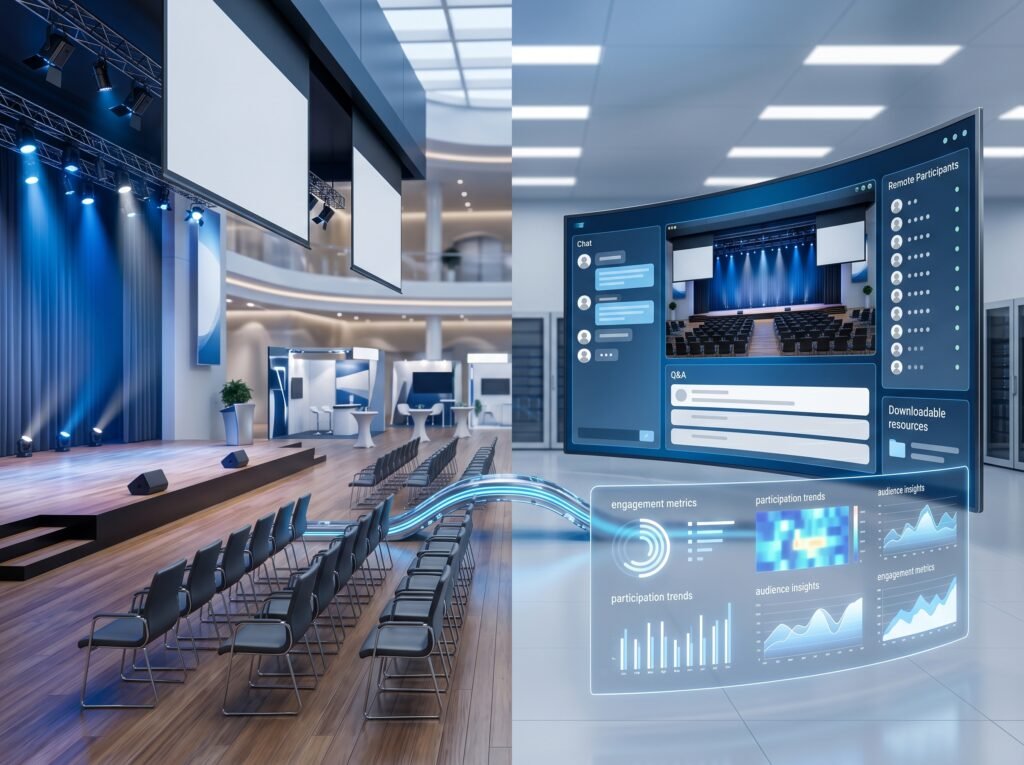
A Data-Driven Look at Event Attendance Trends, Audience Expectations, and the Future of Event Experiences
Introduction
For several years, event organizers have wrestled with one fundamental question: should events be held in person, online, or as a hybrid combination of both? While virtual events became a necessity during the global pandemic, the return of large-scale gatherings has reignited the debate about what audiences truly want from conferences, trade shows, corporate meetings, and industry events.
Early predictions suggested that virtual events would permanently replace many traditional gatherings. The convenience, lower costs, and global accessibility of online events appeared too attractive to ignore. Yet as restrictions eased and venues reopened, attendees returned to in-person events in large numbers, signaling that face-to-face experiences still hold tremendous value.
At the same time, virtual participation has not disappeared. Many professionals continue to appreciate the flexibility of joining sessions remotely, especially when travel budgets, scheduling conflicts, or geographic barriers make attendance difficult. This has given rise to hybrid events, which combine physical and virtual experiences in an effort to satisfy both audiences.
The challenge for organizers is determining which format delivers the best results. Are attendees suffering from Zoom fatigue and eager to reconnect in person? Or do they still prefer the convenience and accessibility of virtual participation? More importantly, how should event planners interpret changing audience behavior when designing future events?
This article explores the latest trends in attendee preferences, examines the strengths and weaknesses of each event format, and provides actionable insights for organizers seeking to maximize engagement, attendance, and return on investment.
The Evolution of Event Formats
To understand current audience preferences, it’s important to examine how event formats have evolved.
Before 2020, in-person events dominated the industry. Conferences, trade shows, networking events, and educational seminars relied almost entirely on physical attendance. While livestreaming and webinar technology existed, virtual participation was often treated as a secondary option.
The pandemic dramatically accelerated digital adoption. Organizations were forced to shift events online, resulting in an unprecedented surge in virtual conferences and webinars. During this period, event technology platforms experienced explosive growth as businesses sought ways to maintain engagement despite travel restrictions.
By 2022 and 2023, many organizers began experimenting with hybrid models that combined physical venues with digital access. This approach aimed to preserve the networking and experiential benefits of in-person events while maintaining the accessibility of virtual participation.
Today, the industry has reached a more mature stage where organizers can evaluate audience preferences based on several years of attendance data and behavioral trends.
What the Data Reveals About Audience Preferences
Recent industry research paints a nuanced picture of attendee preferences. Rather than demonstrating a universal preference for one format, the data suggests that audiences increasingly value flexibility.
Many attendees prefer in-person events when networking, relationship building, and hands-on experiences are primary objectives. However, virtual participation remains attractive for educational content, routine meetings, and situations where travel presents significant barriers.
Several trends have emerged consistently across industries:
Networking Drives In-Person Attendance
One of the strongest findings across event studies is that networking remains the leading reason professionals choose to attend events in person.
Attendees repeatedly cite opportunities to:
- Meet industry peers
- Build professional relationships
- Connect with potential clients
- Engage with speakers
- Participate in informal discussions
These interactions are difficult to replicate in virtual environments.
While networking platforms have improved significantly, many professionals still believe meaningful relationships develop more naturally through face-to-face interactions.
Learning Is Increasingly Format-Agnostic
Educational content is no longer tied exclusively to physical venues.
Many attendees report that keynote presentations, panel discussions, and training sessions can be consumed effectively online. As a result, some professionals choose virtual attendance when learning is their primary objective.
This trend is particularly noticeable among technical audiences who prioritize access to information over networking opportunities.
Travel Budgets Matter More Than Ever
Economic uncertainty has caused many organizations to scrutinize travel spending.
Companies that once sent large teams to conferences may now limit attendance to essential personnel while allowing others to participate virtually.
As a result, audience preference is often influenced by organizational budgets rather than personal desires alone.
Understanding Zoom Fatigue
The term “Zoom fatigue” became widely recognized during the pandemic as professionals spent countless hours participating in virtual meetings and online events.
But does Zoom fatigue still influence event attendance decisions today?
The answer appears to be yes—although not in the same way it did several years ago.
Why Zoom Fatigue Happens
Virtual communication requires more cognitive effort than face-to-face interaction.
Common contributing factors include:
- Continuous screen exposure
- Reduced nonverbal communication cues
- Limited movement
- Constant self-monitoring through webcams
- Frequent digital interruptions
Over time, these factors can lead to mental exhaustion.
Audience Behavior Reflects Fatigue
Event organizers have observed several signs of ongoing virtual fatigue:
Shorter Attention Spans
Virtual attendees are more likely to multitask and disengage during lengthy sessions.
Lower Engagement Rates
Many online participants join sessions but remain passive throughout the experience.
Increased Demand for Interactive Content
Audiences expect polls, Q&A sessions, breakout discussions, and interactive elements to maintain attention.
These findings suggest that while virtual attendance remains valuable, organizers must work harder to sustain engagement than they would during in-person events.
Why In-Person Events Are Experiencing a Strong Resurgence
Despite the continued popularity of virtual participation, in-person events have experienced a significant comeback.
Several factors explain this trend.
Human Connection Remains Irreplaceable
Technology can facilitate communication, but it cannot fully replicate the spontaneity and emotional impact of face-to-face interaction.
Conversations in hallways, networking receptions, coffee breaks, and exhibition halls often generate the most valuable outcomes.
These moments are difficult to recreate digitally.
Experiential Learning Matters
Many conferences now emphasize immersive experiences that cannot be delivered effectively online.
Examples include:
- Product demonstrations
- Hands-on workshops
- Interactive installations
- Live technology showcases
- Collaborative problem-solving sessions
These experiences provide compelling reasons for attendees to travel.
Brand and Community Building
Organizations increasingly view events as opportunities to strengthen community engagement and brand loyalty.
Physical gatherings foster a sense of belonging that virtual formats often struggle to achieve.
For many attendees, the experience itself becomes a significant source of value.
The Continued Appeal of Virtual Events
Although in-person attendance is rising, virtual events continue to offer advantages that many audiences appreciate.
Accessibility
Virtual participation removes barriers related to:
- Geography
- Travel costs
- Visa requirements
- Scheduling constraints
- Physical accessibility
This allows organizations to reach significantly larger and more diverse audiences.
Convenience
Many professionals value the ability to attend sessions without leaving home or interrupting their work schedules.
Virtual attendance eliminates:
- Airport delays
- Hotel expenses
- Commuting time
- Travel fatigue
For busy professionals, convenience can outweigh the benefits of physical attendance.
On-Demand Content
Modern virtual platforms often provide recorded sessions that attendees can access after the event.
This flexibility improves content consumption and allows participants to revisit valuable information.
The Rise of Hybrid Events
Hybrid events attempt to combine the strengths of both formats.
In theory, they offer:
- Global reach
- Greater accessibility
- Enhanced networking opportunities
- Increased revenue potential
However, executing a successful hybrid event is more challenging than many organizers anticipate.
The Double-Experience Challenge
Hybrid events effectively require organizers to create two distinct experiences:
In-Person Experience
Must deliver:
- Networking opportunities
- Interactive activities
- Memorable experiences
Virtual Experience
Must provide:
- Seamless streaming
- Interactive engagement
- Easy content access
If either audience feels neglected, satisfaction can decline.
Resource Requirements
Hybrid events often require:
- Additional technology
- Dedicated production teams
- Increased staffing
- More complex logistics
As a result, hybrid events may not always be the most cost-effective option.
Audience Preferences by Event Type
Different event categories produce different attendance preferences.
Industry Conferences
Most attendees prefer in-person participation due to networking opportunities and relationship-building benefits.
Training and Education
Virtual participation remains highly popular because attendees primarily seek knowledge acquisition.
Trade Shows
Physical attendance is strongly preferred because attendees want hands-on access to products and demonstrations.
Internal Corporate Meetings
Virtual formats often perform well because participants already know one another and prioritize efficiency.
Community and Association Events
Hybrid models frequently succeed because they balance engagement and accessibility.
What Organizers Should Consider Before Choosing a Format
Rather than asking which format is universally preferred, organizers should ask which format best supports their event goals.
Choose In-Person If:
Your primary objectives include:
- Networking
- Relationship building
- Product demonstrations
- Community engagement
- Experiential marketing
Choose Virtual If:
Your priorities include:
- Broad accessibility
- Cost efficiency
- Educational content delivery
- Global participation
Choose Hybrid If:
You want to:
- Expand audience reach
- Increase flexibility
- Accommodate diverse attendee needs
- Extend event lifespan through recorded content
Actionable Takeaways for Event Organizers
Based on current attendee behavior, several strategies consistently improve event performance.
Focus on Experience, Not Format
Audiences care less about format and more about value.
Ask:
- What problems are we solving?
- What experiences are we creating?
- What outcomes do attendees expect?
Strong experiences drive attendance regardless of format.
Prioritize Networking Opportunities
Networking remains a major attendance driver.
Invest in:
- Matchmaking technology
- Structured networking sessions
- Small-group discussions
- Community-building activities
Design for Engagement
Whether virtual or physical, passive experiences produce weaker results.
Incorporate:
- Polls
- Q&A sessions
- Interactive workshops
- Collaborative activities
Use Data to Guide Decisions
Analyze:
- Registration trends
- Attendance patterns
- Session engagement
- Feedback surveys
Audience behavior provides stronger guidance than assumptions.
Offer Flexible Participation Options
Flexibility increasingly influences attendance decisions.
Providing multiple participation pathways can improve reach and satisfaction.
The Future of Event Attendance
The debate between virtual and in-person events is gradually becoming less relevant.
The future likely belongs to audience-centric experiences that prioritize flexibility and personalization.
Emerging technologies such as artificial intelligence, immersive environments, and advanced networking platforms will continue narrowing the gap between digital and physical participation.
However, one reality remains clear: people still value human connection. While technology can enhance accessibility and convenience, the desire for meaningful interaction continues to drive strong demand for in-person experiences.
At the same time, audiences have grown accustomed to the flexibility that virtual participation provides. As a result, organizers who embrace adaptability and design experiences around attendee needs rather than rigid formats will be best positioned for long-term success.
Conclusion
The question is no longer whether audiences prefer hybrid, virtual, or in-person events. Instead, the real question is what attendees hope to achieve.
Current trends indicate that professionals increasingly choose in-person events for networking, collaboration, and immersive experiences, while virtual attendance remains attractive for education, convenience, and accessibility. Hybrid events continue to gain traction by offering flexibility, but they require careful execution to satisfy both audiences effectively.
For organizers, the most successful strategy is to align event formats with attendee objectives rather than industry trends. Understanding audience expectations, investing in meaningful engagement, and delivering clear value will always matter more than the format itself.
In today’s event landscape, flexibility is no longer a competitive advantage—it is an expectation. The organizations that recognize this shift and adapt accordingly will be the ones that attract, engage, and retain audiences in the years ahead.